Smart home automation can make a home easier to live in by bringing lighting, blinds, climate controls and selected electrical systems together in a simple, practical way. Instead of adjusting several switches or apps throughout the day, compatible systems can respond to wall controls, scenes, schedules, sensors or voice commands.
For Sydney homeowners, the most useful smart home systems are not necessarily the ones with the greatest number of features. They are the ones designed around the household, the property and the way people actually use each room. Good automation should reduce repetitive tasks, improve comfort and make everyday controls more convenient without making the home complicated.
i-ELEC provides smart home automation and smart lighting solutions for new homes, renovations and upgrades to existing properties. The focus is on practical planning, careful installation and clear communication, so homeowners understand what is being installed, how it works and how it can be adjusted in the future.
What Is Smart Home Automation?
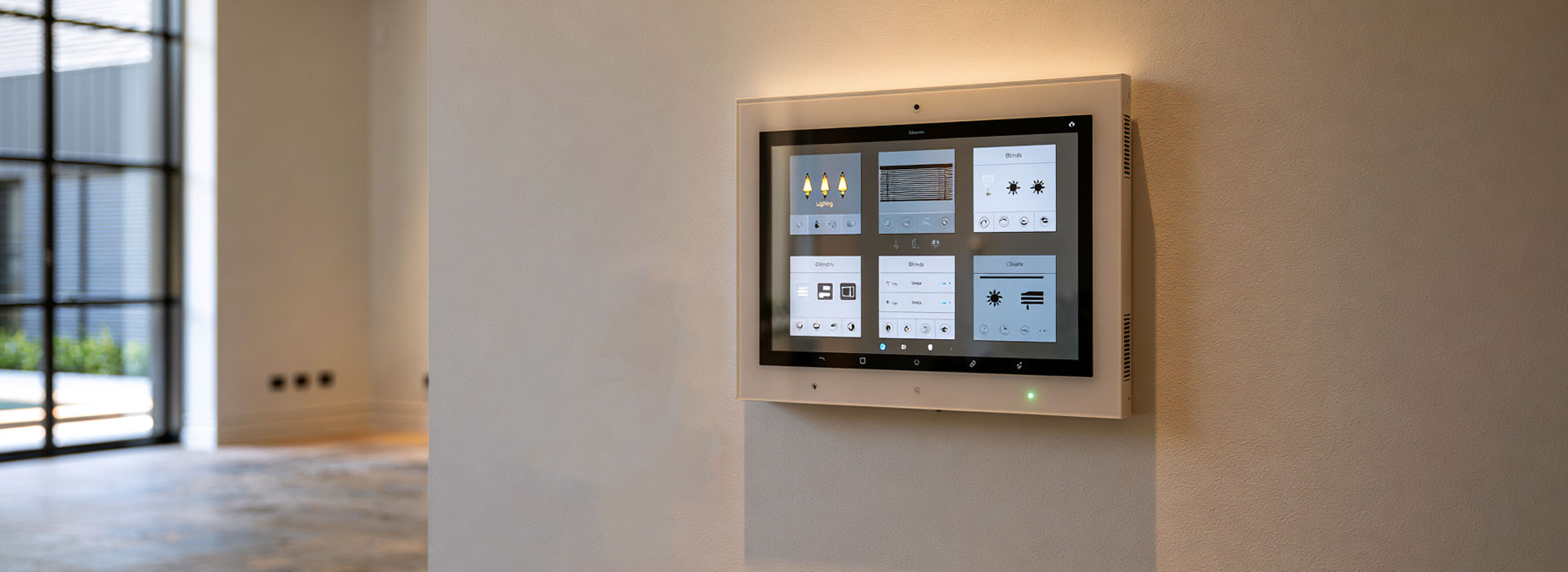
Smart home automation allows compatible devices and systems to be controlled centrally or programmed to work together. Depending on the equipment selected and the electrical infrastructure in the home, control may be available through familiar wall switches, touch panels, an app, remote controls, sensors, schedules or voice assistants.
Automation can range from smart lighting in one living area to an integrated system controlling several parts of the property. It is different from simply collecting internet-connected products that rely on separate apps, batteries and accounts. A professionally planned system aims to create a consistent experience, with essential functions still easy to use from ordinary controls.
Smart should still feel simple. Guests, children and family members should be able to use essential lighting and household functions without needing an app or detailed instructions.
What Can Be Automated in a Home?
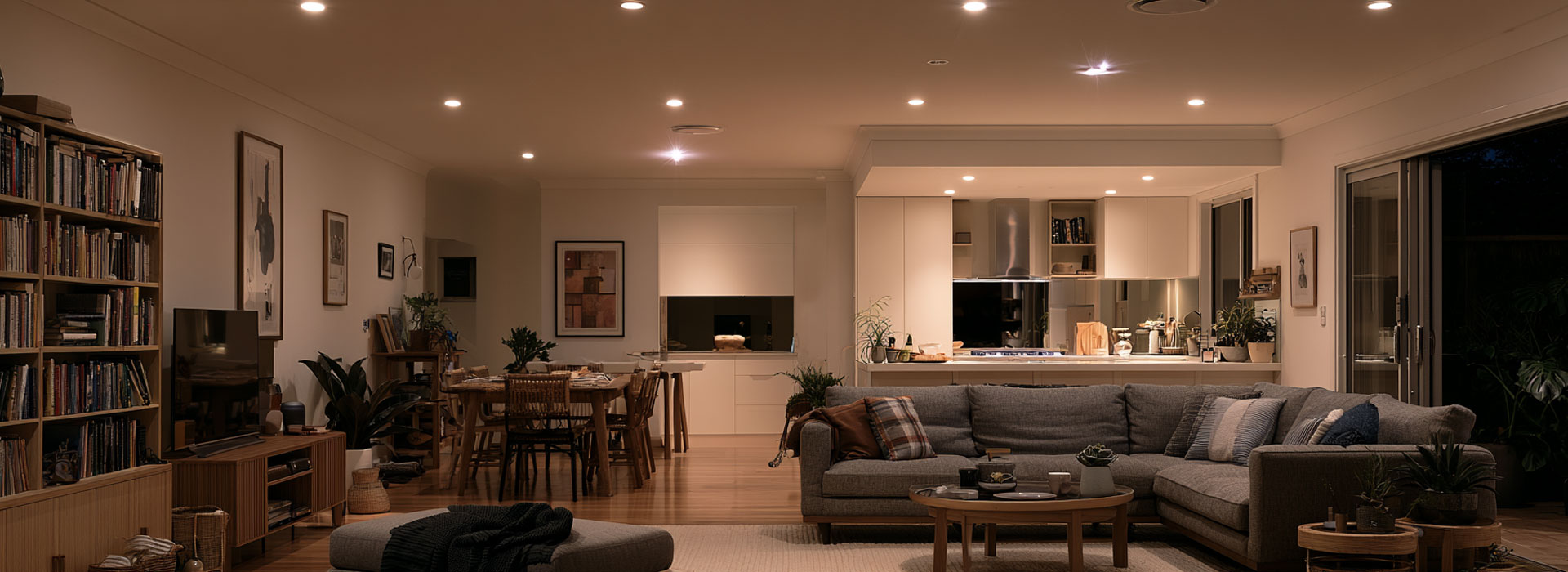
Lighting is often the starting point because it affects comfort, appearance, safety and energy use throughout the home. Smart lighting controls can allow groups of lights to operate together, dim to suitable levels, turn off automatically or change according to the time of day. A single button near the entry may switch off selected lights when leaving, while an evening scene may adjust the kitchen, dining and living areas together.
Automated blinds and curtains can be coordinated with lighting, privacy and changing sunlight. In rooms exposed to strong afternoon sun, scheduled or sensor-based control may help reduce glare and heat. In bedrooms, blinds can close as part of a night scene and open at a chosen time in the morning.
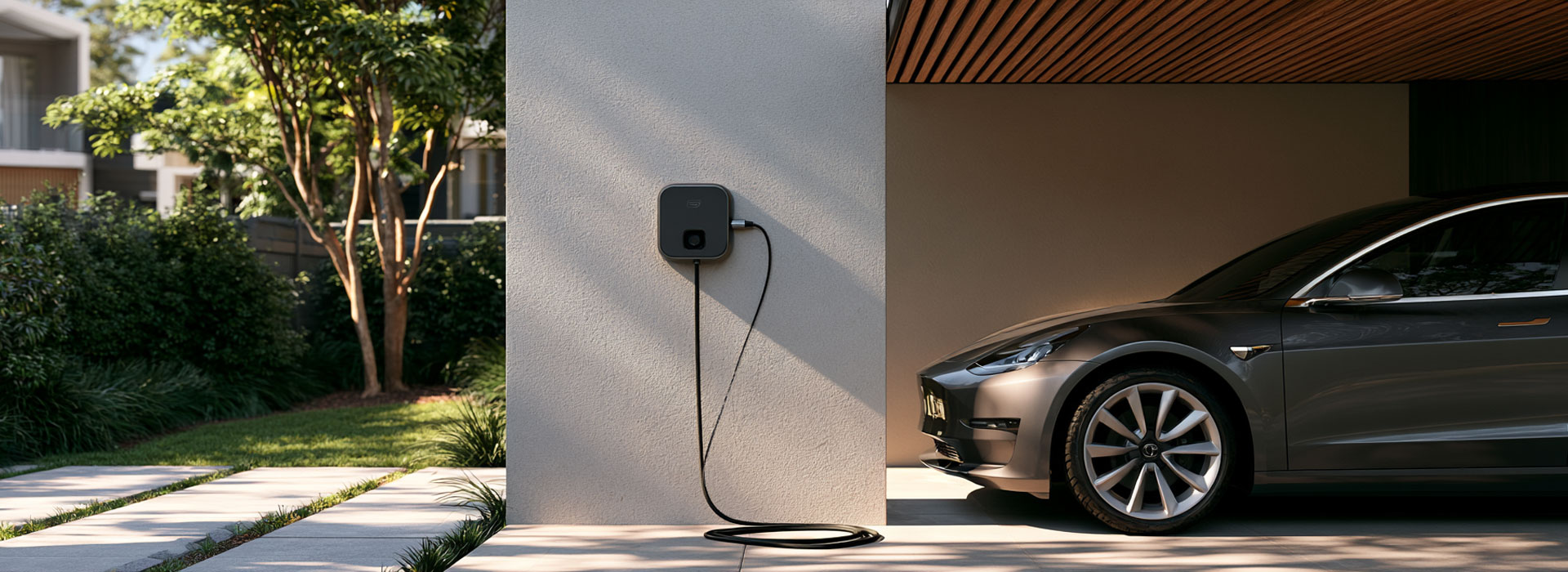
Compatible fans, air conditioning interfaces and other climate-related controls may also be integrated. Other possibilities can include garage doors, gates, intercoms, security systems, outdoor lighting, garden lighting and energy monitoring. The exact scope depends on the property, the products involved and whether specialist equipment or additional contractors are required.
Smart Lighting That Suits Everyday Life
Smart lighting is most effective when it improves the way a room is used. In a kitchen, separate task, general and decorative lighting can be grouped into practical scenes. A brighter setting may suit food preparation, while a softer setting can work for dining or the end of the evening. In a living room, one control can adjust several circuits instead of requiring people to move around the room switching individual lights.
Bedrooms may benefit from bedside control, gentle night lighting or a master off function. Hallways, stairs and bathrooms can use sensors or low-level overnight lighting, while outdoor areas can be scheduled or included in an arrival scene. Good planning also considers fittings, drivers and dimming equipment because poor LED compatibility can cause flickering, limited dimming range, delayed response or noise.
Scenes, Schedules and Sensors
A scene is a saved group of settings activated with one command. Instead of adjusting several switches, blinds and devices separately, the household can select a scene such as “welcome home”, “dinner”, “movie”, “goodnight” or “away”. The names and functions should reflect the household rather than a generic demonstration.
Schedules can take care of predictable routines. Exterior lights may operate around sunset, selected blinds may close in the evening, and non-essential lighting can turn off after a set time. Schedules should remain easy to override because routines change during weekends, holidays and different seasons.
Sensors can respond to movement, occupancy, door activity or light levels, depending on the system. They are useful when carefully placed and programmed, but too much automation can become frustrating. A light that turns off while someone is reading quietly or a hallway that activates too brightly at night does not feel intelligent. Sensitivity, timing and light levels often need adjustment after the household has lived with the system.
Planning Smart Home Automation for a Renovation
A renovation is a good opportunity to plan home automation because electrical access is usually easier before walls, ceilings and cabinetry are completed. Early coordination can help determine where switches, sensors, data points, control equipment and power supplies should be located. It also allows the electrician to discuss lighting layouts and circuit design with the homeowner, builder, interior designer or architect.
Planning should begin with how each space will be used, including entrances, furniture positions, bedside access, kitchen work areas and outdoor connections. It is also worth discussing future needs. Suitable cabling or space in the design may make later additions easier without installing every possible feature now.
Adding Automation to an Existing Home
Smart home automation is not limited to new builds. Many existing Sydney homes can be upgraded, although the available options depend on the wiring, switchboard, wall construction, ceiling access, Wi-Fi coverage and the system being considered.
Some upgrades can use existing circuits with compatible controls, while others require new cabling or changes behind switches. Older homes may have limited wiring, crowded wall boxes or previous alterations that need assessment. In some cases, targeting the living area, entry, main bedroom and outdoor space provides more practical value than automating the entire property.
Wired and Wireless Systems
Smart home systems may use wired communication, wireless communication or a combination of both. Wired systems are often considered during larger renovations and new builds because dedicated cabling can be installed while the property is open. Wireless products can be useful for existing homes, smaller upgrades and areas where new control cabling would cause excessive disruption.
Wireless performance depends on the product, building materials, distances and network conditions. Sydney terraces, apartments and multi-storey homes can all present different coverage challenges. Neither approach is automatically right for every property. The choice should be based on reliability, desired functions, budget, future expansion and the level of building work involved.
Reliability, Internet Access and Manual Control
One of the most important questions is what happens when the internet, home network or a cloud service is unavailable. Some systems continue to perform essential functions locally, while certain remote or voice features may stop until the connection returns.
Homeowners should understand which parts of the system rely on the internet, whether schedules are stored locally, how wall switches operate and what happens after a power interruption. Essential lighting should remain straightforward to control. Automation should add options, not remove the household’s ability to use the home normally.
It is also wise to consider product support and replacement. Smart technology changes quickly, but the electrical installation may remain in the home for many years. Selecting established, supportable equipment and avoiding unnecessary dependence on a novelty product can help create a more durable system.
Ask what happens when something is offline. A dependable smart home should have sensible manual controls and a clear plan for internet outages, power interruptions and future product changes.
Privacy and Network Security
Connected devices can collect information about household activity, accounts and routines. Before selecting products, homeowners should consider what data is stored, whether cloud services are required, how accounts are protected and who will have administrative access.
Strong passwords, multi-factor authentication where available, current software and a properly configured network can support better security. It is also helpful to identify who will manage Wi-Fi coverage, device accounts, updates and remote access, particularly when a property is sold or occupants change.
Energy Use and Smart Home Automation
Automation can help reduce unnecessary energy use by turning off lights in empty spaces, scheduling outdoor lighting and preventing selected equipment from running longer than needed. Energy monitoring may also help homeowners understand when electricity is being consumed. It is not a substitute for efficient appliances or good lighting design, but it can make efficient equipment easier to use well.
Choosing the Right Level of Automation
Before requesting a system, it helps to separate essential outcomes from optional features. Consider which repetitive tasks are genuinely inconvenient, which rooms cause frustration and which controls would improve safety, accessibility or comfort.
Some households want a highly integrated solution, while others prefer a few reliable functions with familiar wall switches. Both can be valid. Budget discussions should include cabling, electrical modifications, compatible lighting equipment, programming, network requirements and commissioning, not only the visible controls.
Why Professional Electrical Planning Matters
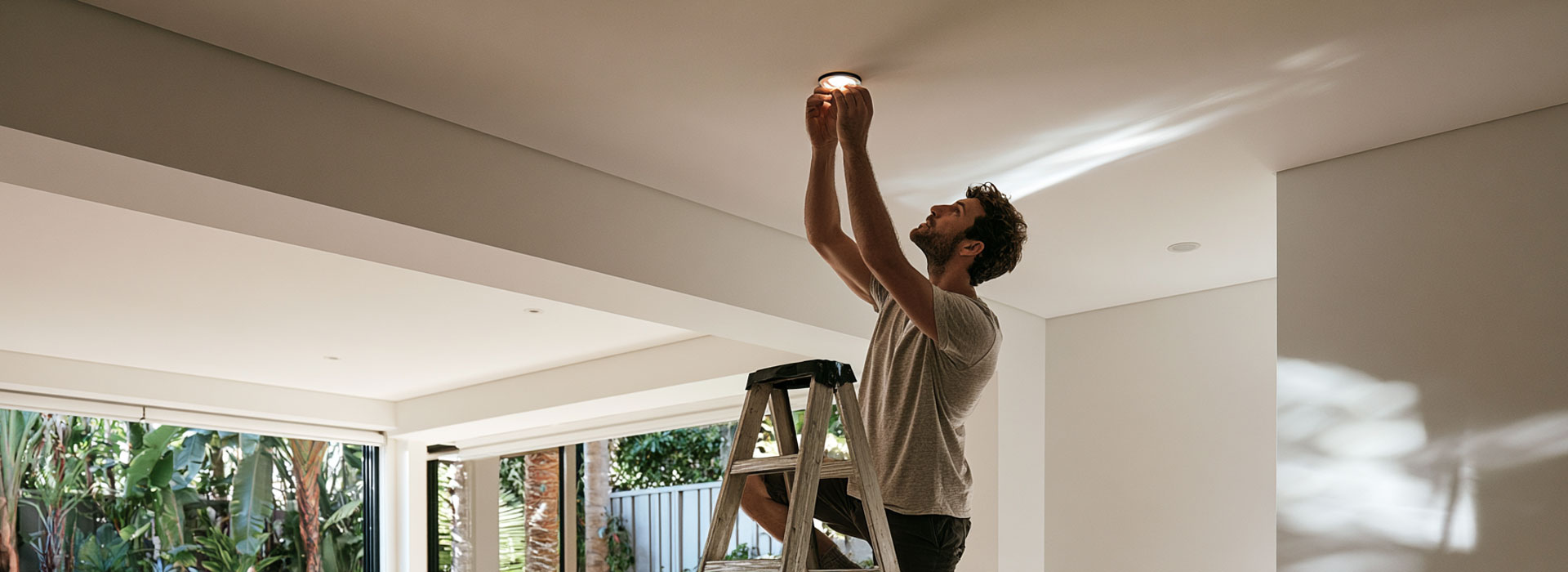
Many smart products are marketed as simple additions, but devices connected to fixed wiring must be installed by a suitably licensed electrician. Professional planning also matters because home automation can affect circuit design, switchboard capacity, product compatibility, access, control locations and the way systems interact.
An electrician can assess the existing installation, discuss the intended result and identify practical limitations before products are purchased. This can prevent problems such as incompatible dimmers, insufficient space behind switches, poor sensor placement, overlooked cabling and a system that depends too heavily on wireless coverage.
i-ELEC approaches smart home automation as an electrical and customer-service project, not simply a technology installation. That means listening to how the household uses the property, explaining options in plain English, coordinating the work carefully and leaving the home tidy. The goal is a system that feels considered, dependable and easy to live with.
What to Expect During the Project
The process usually begins with a discussion about the property, the desired functions and whether the work is part of a renovation or an upgrade to an occupied home. Photos, plans and a list of priorities can help with the initial conversation, although an onsite assessment may be needed before the final scope is confirmed.
Planning may cover lighting layouts, control locations, equipment selection, circuit requirements and coordination with other trades. After installation, the system should be tested and the main controls explained. Scenes, schedules and sensor settings may need refinement once the household begins using them in everyday life.
Plan a Smarter Home That Still Feels Like Home
Tell the i-ELEC team whether your project is a new build, renovation or upgrade, which rooms and functions you would like to control, and any products or plans you already have. Photos of switch locations, lighting plans or examples of the routines you want to simplify can also help us understand what will suit your home.