Electrical systems are essential to the safe and efficient operation of almost every workplace. From lighting and power points to switchboards, equipment circuits, emergency lighting and maintenance, commercial electrical work needs to support the way a business actually operates. It should also be planned carefully so that staff, customers, tenants and daily operations are affected as little as reasonably possible.
i-ELEC provides commercial electrical services across Sydney for offices, shops, hospitality venues, strata properties, property managers, building managers and other commercial premises. As a family-owned electrical business based in Alexandria, the team combines technical capability with responsive communication, careful work and a practical understanding of the pressures involved in managing a workplace or building.
Commercial electrical work requires practical planning
A commercial electrical job is rarely just about installing a fitting or repairing a circuit. Access may need to be coordinated with employees, tenants, contractors or building management. Some work may need to happen before opening or in stages to avoid shutting down an entire area.
Before beginning, a commercial electrician should understand the site, the purpose of the work, the areas that must remain operational and any access or timing restrictions. For larger or more disruptive jobs, the work can then be planned in sensible stages with clear communication about what will be affected.
Good commercial electrical work starts with understanding the site. The right solution should support your operations, reduce unnecessary disruption and make future maintenance easier.
Commercial properties we assist
Different premises have different practical needs. An office may require comfortable lighting, additional power for workstations and scheduling around employees. A retail shop may need display lighting and dependable power for point-of-sale equipment. Hospitality venues often rely on equipment circuits, lighting and ventilation systems operating reliably during busy service periods.
i-ELEC can assist with electrical work in offices, retail stores, cafés and restaurants, consulting rooms, warehouses, workshops and strata common areas. The team also works with property and building managers who need an electrician to coordinate access, investigate problems and report back clearly.
Commercial electrical repairs and fault finding
Electrical faults can interrupt work, affect customer service and create uncertainty about whether an area or item of equipment is safe to keep using. Common problems include circuits that trip repeatedly, lights that flicker or fail, damaged outlets, burning smells, intermittent power and equipment that appears to be affecting the electrical supply.
Fault finding should focus on identifying the underlying cause rather than repeatedly resetting a breaker or replacing a component without understanding why it failed. The source may be a damaged fitting, deterioration, a faulty appliance, moisture, excessive demand on a circuit or a problem elsewhere in the installation.
i-ELEC approaches commercial electrical repairs methodically. Information about when the fault occurs, what equipment is operating and whether several areas are affected can help narrow down the cause. Clear updates help the person managing the site understand what has been found and whether further work is recommended.
Where there is heat, smoke, arcing, exposed wiring or repeated tripping, the affected equipment or area should not simply be put back into service without assessment. Electrical wiring work in NSW must be carried out by appropriately licensed electrical workers, and safety should take priority over maintaining normal operation.
Commercial lighting installation and upgrades
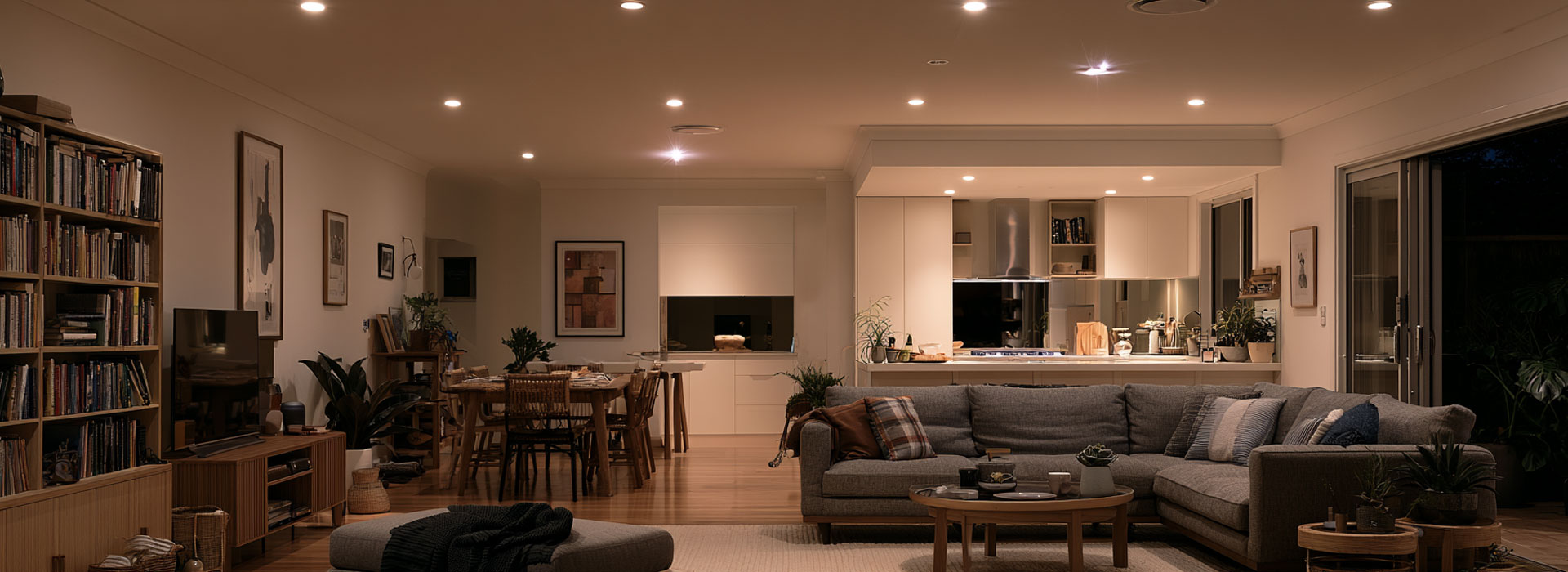
Commercial lighting influences visibility, comfort, presentation, security and energy use. Poorly planned lighting can leave work surfaces dim, create glare on screens or make a space uncomfortable for staff and visitors. A considered lighting upgrade can improve how the premises look while making them more practical.
i-ELEC can assist with general workplace lighting, task lighting, feature lighting, exterior lighting, security lighting, sensor-controlled lighting and replacement of old or unreliable fittings. For offices, the priority may be even light and reduced glare. In retail and hospitality settings, atmosphere and product presentation may also be important. In warehouses or service areas, dependable illumination and ease of maintenance may take priority.
The best result depends on how the space is used and what problems exist now. Simply choosing the brightest fitting is not always the answer. Placement, beam spread, colour temperature, switching and controls all affect the finished environment.
Power points, dedicated circuits and equipment connections
Businesses often change faster than their electrical layout. New workstations, appliances, machinery, refrigeration, displays or charging needs can place additional demand on a system designed for an earlier use of the premises.
Power boards and extension leads may provide a temporary solution, but they do not increase the capacity of the existing circuit. When more usable power is needed, a commercial electrician can assess the current arrangement and determine whether additional outlets, altered circuit distribution or dedicated circuits are appropriate.
Dedicated circuits may be required for equipment with higher or consistent electrical demand. The correct solution depends on the equipment specifications, the existing installation and available switchboard capacity. Planning this work before new equipment arrives can prevent delays and avoid connecting it to an unsuitable supply.
Office, shop and commercial fit-outs
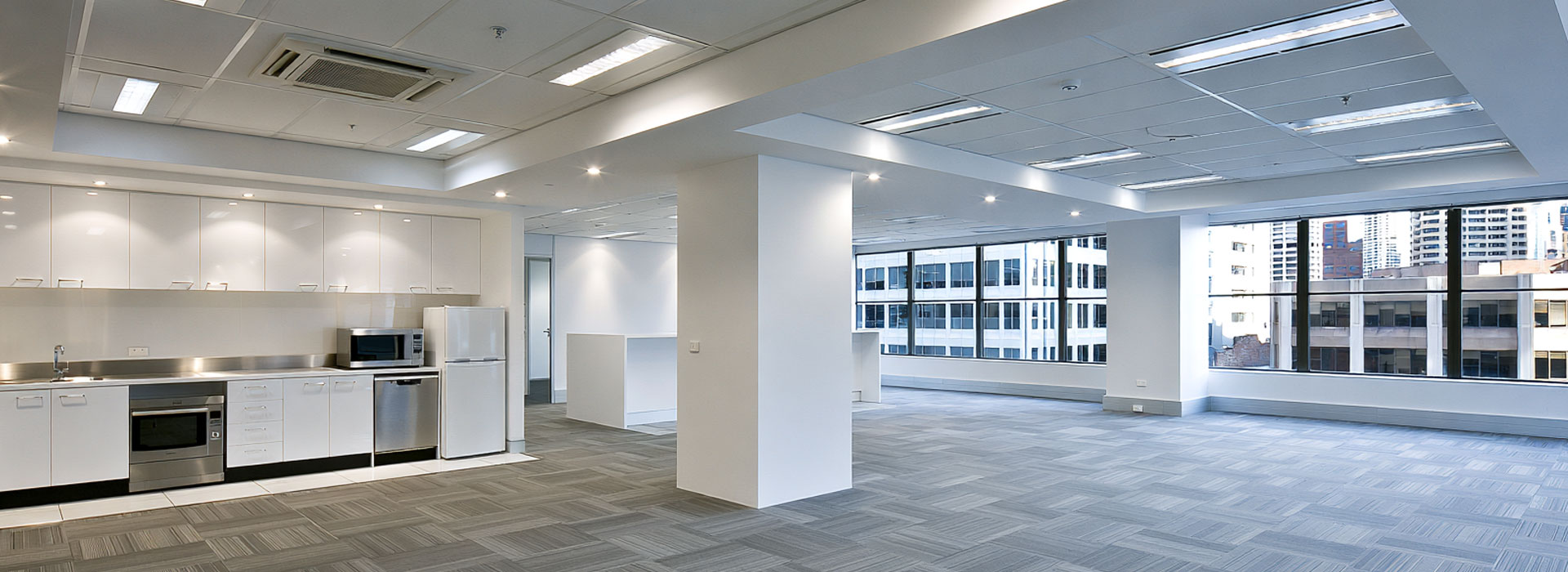
A fit-out is an opportunity to plan the electrical system around the intended use of the space. Early coordination helps ensure that power, lighting, switching and equipment connections are considered before walls, ceilings and finishes are completed.
i-ELEC can work with business owners, property managers, builders and other trades during fit-outs, refurbishments and tenancy changes. Identifying workstation locations, equipment requirements and lighting controls early can reduce rework and create a more practical result.
Switchboards, circuit protection and electrical capacity
The switchboard is central to the distribution and protection of circuits throughout a commercial property. Older boards, unclear circuit identification, limited capacity or repeated tripping can make maintenance difficult and may restrict future upgrades.
An assessment can determine whether the existing switchboard is suitable for the current use of the premises and any planned additions. Work may involve clearer labelling, replacement of damaged components, improvements to circuit protection, additional capacity or a more substantial upgrade. The appropriate solution depends on the condition and configuration of the installation rather than age alone.
Planning new equipment? Share its electrical specifications before installation. This allows the available capacity, circuit requirements and connection method to be assessed before the equipment arrives.
Emergency and exit lighting
Emergency and exit lighting helps people leave a building if normal lighting fails or an evacuation is required. These systems need to suit the building layout and be maintained so that faults are not left unnoticed.
i-ELEC can assist with installation, replacement, inspection and maintenance of emergency and exit lighting in commercial and strata environments. Responsibilities and testing requirements can vary according to the building, its use and the systems installed, so advice should be based on the particular premises rather than a general schedule found online.
Testing, tagging and routine maintenance
Routine electrical maintenance can identify deteriorating fittings, damaged outlets and recurring faults before they cause a larger interruption. The appropriate maintenance approach depends on the workplace, the equipment and the conditions in which it operates. A clean office and a workshop exposed to dust, moisture or heavy use will not necessarily have the same needs.
Testing and tagging may form part of a workplace electrical safety system, particularly where portable equipment is exposed to damage or accelerated wear. It should not replace visual checks, reporting damaged equipment or maintaining the fixed electrical installation.
For managed properties or businesses with several locations, consistent records and clear reporting can make it easier to track completed work, recurring issues and recommendations that still need attention.
Working with property managers, strata and building managers
Commercial and strata electrical work often involves several people. A tenant may report the problem, a property manager may approve it, a building manager may arrange access and an owner may require documentation. Poor communication between these parties can delay even a straightforward repair.
i-ELEC understands the importance of confirming the reported issue, attending the correct area, respecting building procedures and communicating the outcome to the responsible person. Where additional work is needed, the recommendation should explain the problem and proposed solution clearly enough for an informed decision.
Care is also important in occupied buildings. Work areas should be kept orderly, occupants treated respectfully and necessary interruptions explained in advance where possible.
Reducing disruption to your business
Some electrical work can be completed with little effect on normal operations, while other jobs require circuits or sections of a building to be isolated. The likely impact should be discussed before work begins so that the business can prepare.
Useful planning may include identifying critical equipment, arranging access outside the busiest period, advising staff or tenants and separating work into stages. No electrician can promise that every commercial job will be disruption-free, but preparation, realistic communication and a tidy work process can prevent avoidable inconvenience.
What to look for in a commercial electrician
A commercial electrician should be appropriately licensed, communicate clearly and be comfortable working around occupied premises. Technical skill is essential, but so is the ability to understand access requirements, follow site procedures, coordinate with others and explain the result without unnecessary jargon.
It is also worth choosing an electrician who considers the wider purpose of the job. A repair should address the cause where reasonably possible, while a new installation should suit the intended equipment and future maintenance needs.
i-ELEC’s approach is built around these practical details. The team aims to make the process easier for business owners, managers, staff and occupants by listening carefully, respecting the property, keeping people informed and providing recommendations proportionate to the issue.
Frequently asked questions about commercial electrical services
Can commercial electrical work be completed outside business hours?
The most suitable timing depends on the work, site access and availability. Where a shutdown or noisy work could affect staff or customers, include your operating hours and restrictions when making the enquiry so practical scheduling options can be considered.
Can you work directly with our property or building manager?
Yes. Provide the relevant contact details, access instructions and approval process. Clear communication between the business, property manager and building manager helps avoid delays.
Why does a circuit keep tripping?
Repeated tripping can be caused by faulty equipment, damaged wiring, excessive demand or a problem with a fitting or circuit. Avoid repeatedly resetting it without understanding the cause, particularly if there is heat, smell, noise or visible damage.
Do we need a dedicated circuit for new equipment?
That depends on the equipment and the existing installation. Send the model information, electrical rating and proposed location before installation so the supply and connection requirements can be assessed.
How often should a commercial property be electrically inspected?
There is no single interval suitable for every site. The building type, equipment, operating conditions, fault history and relevant workplace or building requirements all need to be considered.
Can you help with both repairs and planned upgrades?
Yes. Commercial electrical services can include fault finding, everyday repairs, lighting and power improvements, fit-out work, switchboard upgrades and maintenance. Sharing broader plans for the property can help ensure immediate work supports future improvements.
Tell us what is happening at your commercial property
Share the property type, location, reported issue or planned work, preferred access times and details of any equipment involved. Photos, equipment specifications and information about affected areas are helpful, and the i-ELEC team can then discuss the next practical step with you.