Electrical work in strata and managed properties requires more than technical skill. It also requires clear communication, careful planning and an understanding of how electrical issues affect residents, tenants, owners, building managers and contractors. A fault in a private home may involve one household. In an apartment building, townhouse complex or mixed-use property, the same problem can affect common areas, access, lighting, safety systems or several occupants at once.
i-ELEC provides strata and property management electrical services across Sydney for apartment buildings, residential complexes, commercial properties and mixed-use sites. The team assists with repairs, fault finding, upgrades, lighting, switchboards, safety switches, maintenance and other electrical work that needs to be completed safely and with minimal disruption.
The approach is practical and service-focused: understand the issue, keep the relevant people informed and treat both the property and its occupants with care. For property managers and strata representatives, this makes the work easier to organise and explain.
Good strata electrical work depends on communication as much as workmanship. Clear updates, realistic expectations and careful coordination can make a significant difference when residents, tenants and common property are involved.
Why strata electrical work needs a coordinated approach
Strata and property management electrical work often involves several layers of responsibility. The issue may be inside a lot, within common property, connected to a shared service or affecting equipment used by the whole building. Access may need to be arranged with a tenant, resident, concierge, building manager or committee member. Approval may also be required before non-urgent work can proceed.
Simply attending the site and completing a repair is not always enough. The electrician needs to understand who requested the work, what is affected, who can provide access and who should receive the findings. Small communication gaps can lead to delays or repeat visits.
i-ELEC works with property managers, strata managers, building managers, owners corporations, landlords and residents. The aim is to make the electrical side of the job easier to manage by asking the right questions early, documenting relevant findings and explaining the next steps in plain English.
Electrical repairs and fault finding in managed properties
Electrical faults can appear in many ways. Lights may flicker or stop working, a circuit may trip repeatedly, power points may fail, common-area lighting may remain on or off, or part of a building may lose power. In other cases, the problem may be intermittent and difficult to reproduce.
Effective fault finding is a methodical process. It may involve checking the affected circuit, testing equipment, inspecting fittings, assessing the switchboard and narrowing down whether the issue is localised or connected to a wider part of the property. The goal is not simply to reset a breaker or replace the first component that appears faulty. It is to identify the likely cause and recommend an appropriate repair.
In a strata setting, this may also help clarify whether the fault appears to relate to an individual lot, common property or a shared electrical service. Responsibility for repair or cost can depend on the property and the circumstances, so electrical findings should be communicated clearly without making assumptions about strata liability.
Where further work is needed, i-ELEC can explain what was found, what can be repaired immediately and what may require approval, access arrangements, replacement parts or a broader upgrade.
Common-area and exterior lighting
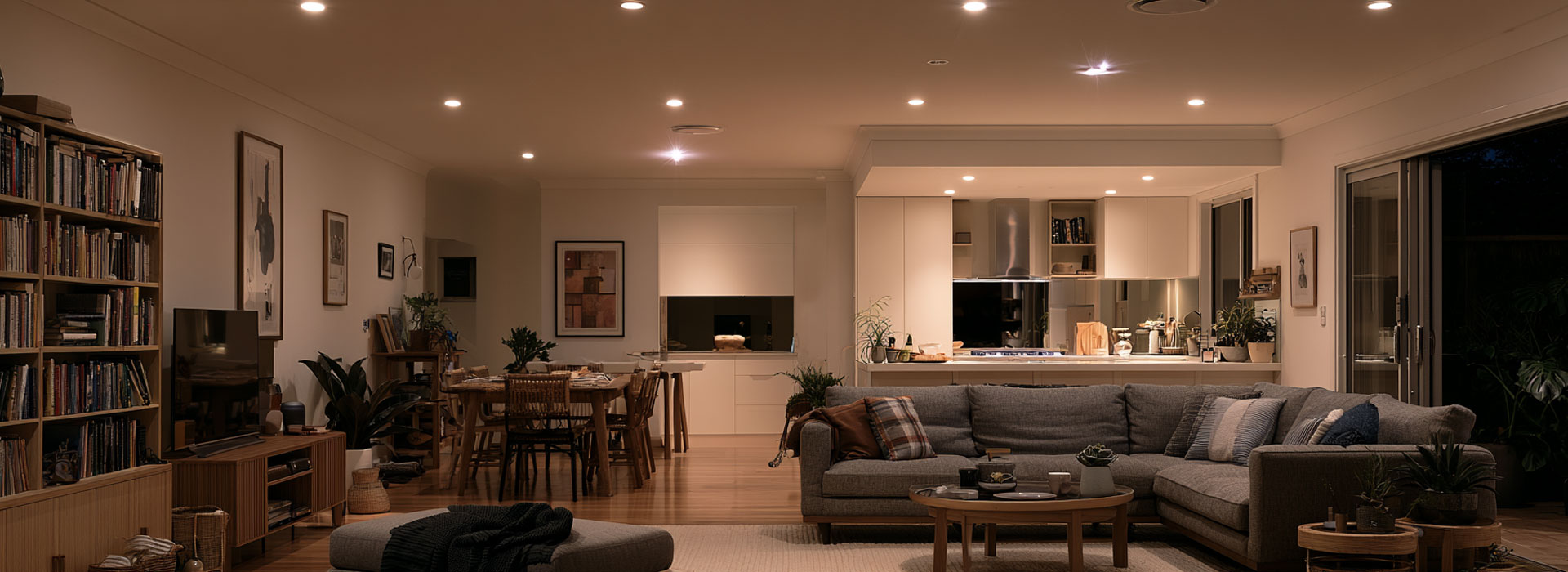
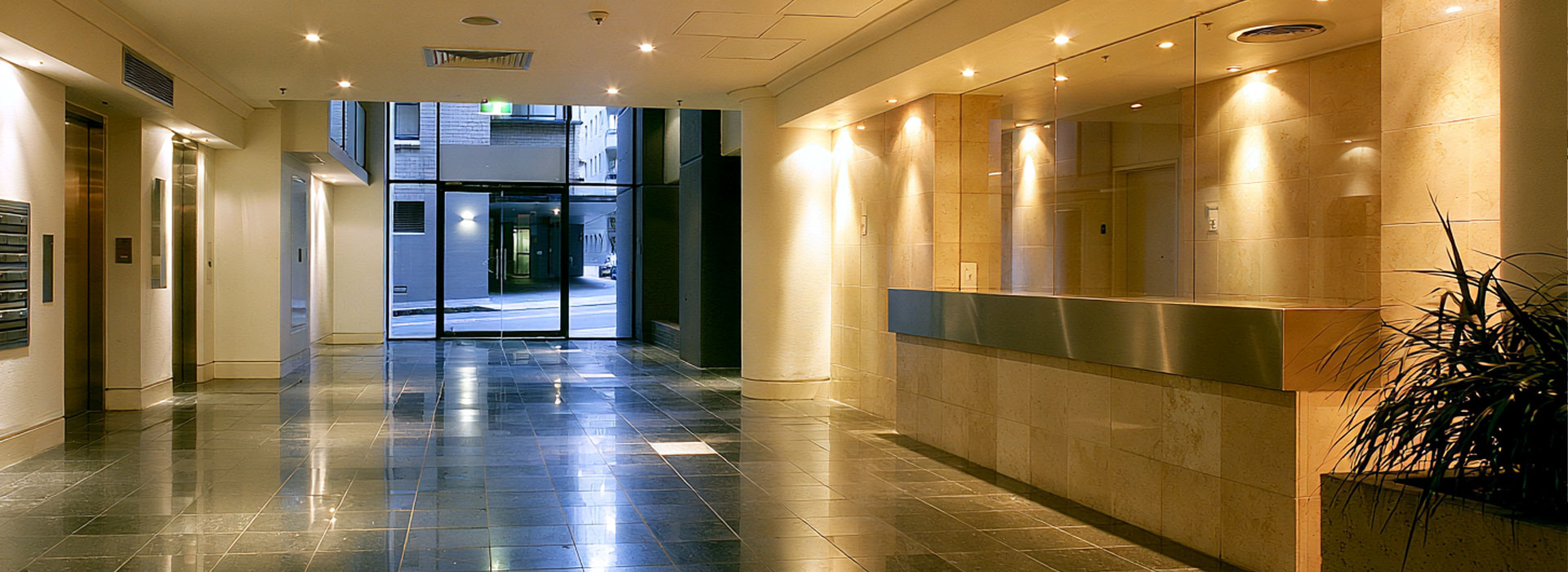
Lighting is one of the most visible parts of a residential or commercial property. Poorly lit corridors, stairs, foyers, car parks, pathways and entrances can make a building feel neglected and may create practical safety concerns. At the same time, lights that operate unnecessarily can waste energy and increase maintenance costs.
i-ELEC can assist with the repair, replacement and improvement of lighting in apartment corridors, stairwells, basements, garages, bin rooms, storage areas, foyers, entry paths and external areas. Work may range from replacing failed fittings to improving light levels, updating older fixtures or reviewing controls such as timers, sensors and switching.
For larger upgrades, it is important to consider how each space is used. Car parks need consistent visibility, foyers may benefit from warm lighting without excessive glare, and outdoor areas need suitable fittings. A thoughtful lighting plan can improve appearance, usability and ongoing maintenance without becoming an unnecessary redesign.
Switchboards, circuits and safety switches
Strata and managed properties can contain switchboards serving individual lots, common areas, plant rooms, garages, retail tenancies or shared building services. Older properties may also have electrical equipment that has been altered over time as apartments, offices and common areas have been renovated.
Recurring trips, damaged components, limited circuit capacity, unclear labelling or ageing switchboard equipment should be assessed by a licensed electrician. Depending on the installation, the solution may involve a targeted repair, improved circuit identification, replacement of faulty components or a more substantial switchboard upgrade.
If a safety switch trips repeatedly, it should not be treated as an inconvenience to bypass. The cause may be a faulty appliance, damaged wiring, moisture, a deteriorated fitting or another issue on the circuit. A proper inspection can help identify the source rather than leaving residents or staff to repeatedly reset the device.
Where switchboard work affects common property or several occupants, i-ELEC can help plan around access, shutdown requirements and communication with the relevant contacts. Any interruption to power should be considered carefully so residents, tenants and building operations can be prepared.
Emergency and exit lighting
Emergency and exit lighting is particularly important in apartment buildings, commercial properties, offices, car parks and other shared spaces. These systems support safe movement and evacuation if normal lighting fails. Faulty fittings, failed batteries, damaged signs or incomplete records should be addressed rather than left until an emergency occurs.
i-ELEC can assist with emergency and exit light repairs, replacement, testing and maintenance. Planned attention is generally easier than dealing with multiple failures, incomplete documentation or urgent work close to a compliance deadline.
Requirements depend on the building, its use and the installed system, so advice should be based on the actual site rather than a generic checklist. A licensed electrician can inspect the relevant areas, identify visible issues and recommend the appropriate next steps.
Planned electrical maintenance
Not every electrical problem needs to begin with a breakdown. Planned maintenance can help identify recurring faults, ageing fittings, damaged equipment and areas where repeated call-outs may be avoided through a more permanent solution.
A maintenance approach may include checking commonly reported problem areas, replacing failed lighting, reviewing frequently tripping circuits, inspecting accessible switchboards and attending to damaged power points or switches. The scope should suit the property rather than applying the same schedule to every building.
Repeated small faults can point to a larger maintenance issue. When the same lights, circuits or fittings fail regularly, it may be more cost-effective to investigate the underlying cause than to continue arranging isolated repairs.
For strata committees and owners corporations, planned maintenance can support better budgeting. It helps build a clearer picture of what needs attention now, what may need upgrading later and which items should continue to be monitored.
Renovations, upgrades and changes within lots
Renovations in apartments, townhouses and managed properties often involve electrical changes. New kitchens, bathrooms, air conditioning, lighting, home offices, appliances and EV charging can place new demands on existing circuits and switchboards. Even when the work is inside a private lot, it may interact with shared infrastructure, access requirements or building rules.
Before work begins, it is useful to confirm the scope, understand any strata approval requirements and identify whether the project may affect common property. The electrician may also need information about the existing switchboard, available supply, access to service areas and restrictions on work hours or building entry.
i-ELEC can assist with practical electrical planning for renovations and upgrades. The team can work with owners, tenants, property managers, builders and other trades to help reduce avoidable delays and ensure the electrical work is considered early.
Electrical services for mixed-use and commercial properties
Many Sydney strata properties include shops, offices or other commercial tenancies, creating more complex access, operating hours and electrical demands than a purely residential property.
Work may need to be scheduled to reduce disruption to customers, staff and residents. It may also involve separate tenancy circuits, common-area supplies, signage, lighting, plant equipment or shared services. Clear coordination is especially important when the person requesting the work is not the person providing access.
i-ELEC approaches mixed-use sites with an understanding of both occupant needs and property management requirements. The focus remains on safe work, tidy completion, clear communication and practical recommendations.
Access, resident communication and site care
One of the most common challenges in strata electrical work is access. The relevant switchboard may be in a locked room, the fault may be inside a tenanted apartment, or testing may require entry to more than one area. Accurate access details before the appointment can prevent delays and help the electrician arrive prepared.
Residents and tenants also appreciate knowing whether power will be isolated, how long access may be required and which areas need to be available.
i-ELEC takes care when working inside homes and shared buildings. This includes respecting occupants, keeping the work area organised and explaining any disruption before it occurs. For property managers, this helps protect the relationship with residents and reduces complaints caused by uncertainty or poor communication.
Clear reporting for property and strata managers
After an attendance, property managers often need more than a short note saying the job is complete. They may need to understand what caused the issue, what work was carried out, whether further action is recommended and whether another party needs to be involved.
Clear reporting helps explain the outcome to an owner, committee, tenant or building manager. It is also useful when approval is needed for additional work or when the fault may involve equipment outside the electrician’s scope.
i-ELEC aims to communicate findings in straightforward language. Technical details are explained where they matter, without making the report unnecessarily complicated. Where a recommendation is based on an initial inspection rather than a complete investigation, that limitation should also be clear.
Choosing an electrician for strata and property management work
A suitable strata electrician should be licensed, reliable and comfortable working with multiple contacts. Technical ability is essential, but so are punctual communication, accurate information and respect for the property.
It is also helpful to choose an electrician who understands that the person booking the job may not be on site, the resident may not know the background and the person approving further work may need a clear explanation before making a decision.
As a family-owned Sydney electrical business, i-ELEC places particular importance on service and communication. The team works across residential, strata and commercial properties, allowing each job to be considered in the context of how the building is used and who may be affected.
Need help with an electrical issue at a strata or managed property?
Send through the property address, the area affected, a description of the issue, any photos available, the preferred site contact and relevant access details. If the work involves a tenant, common property or an approval process, include that information as well so the i-ELEC team can respond with a clear and practical next step.