
Electrical problems are not always obvious. A light may flicker occasionally, a safety switch may trip without warning, or one part of the home may lose power while everything else continues working. These issues can be frustrating, but they may also indicate a fault that should be properly investigated.
i-ELEC provides electrical fault finding and repairs for homeowners, property managers, strata properties and businesses across Sydney. Rather than simply replacing the first component that appears to be causing the problem, our electricians work through the electrical system carefully to identify the likely source of the fault and recommend an appropriate repair.
Based in Alexandria, i-ELEC combines professional electrical work with clear communication, practical advice and genuine care for the people and properties we work with.
When an Electrical Problem Needs Proper Investigation
Some electrical faults are straightforward. Others only occur at certain times, when a particular appliance is operating, after heavy rain or when several electrical items are being used at once.
Intermittent faults can be especially difficult to diagnose because the system may appear to be working normally by the time an electrician arrives. Information about when the problem occurs, what was operating at the time and which parts of the property were affected can help narrow down the cause.
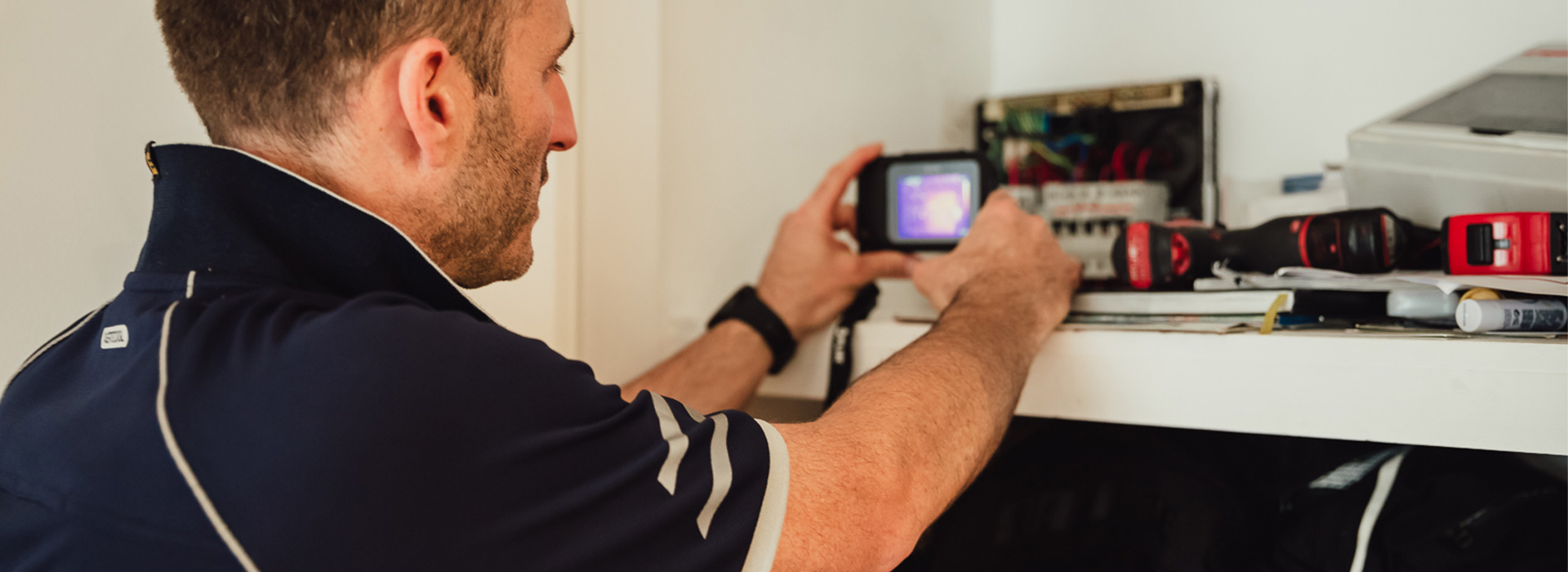
Professional electrical fault finding involves testing, observation and a logical process of elimination. The aim is not only to restore power, but to understand why the problem occurred and reduce the chance of it returning.
Common Electrical Faults We Investigate
i-ELEC can investigate and repair a wide range of electrical problems in Sydney homes, apartments, strata buildings and commercial properties, including:
- Safety switches or circuit breakers that keep tripping
- Power points that have stopped working
- Light switches that are loose, damaged or unreliable
- Lights that flicker, pulse or dim unexpectedly
- Loss of power in one room or part of the property
- Buzzing, crackling or unusual electrical sounds
- Warm or discoloured switches and power points
- Electrical problems that occur after rain or water exposure
- Faults caused by damaged fittings, appliances or wiring
- Circuits that trip when several appliances are used together
- Outdoor lighting or power that is no longer operating
- Intermittent faults that are difficult to reproduce
These symptoms can have many possible causes. A tripping circuit, for example, may be caused by a faulty appliance, moisture, damaged wiring, a deteriorated fitting or a problem within the circuit itself. Testing is usually required before the correct repair can be determined.
Do not repeatedly reset a circuit breaker or safety switch that continues to trip. Repeated tripping usually means the protective device is responding to a problem that should be investigated by a licensed electrician.
What Electrical Fault Finding Involves
Electrical fault finding is a structured process. Although every property and fault is different, the investigation will generally include several important stages.
Understanding What Has Been Happening
The electrician will first ask questions about the problem. This may include when it started, how frequently it occurs, which rooms or circuits are affected and whether any new appliances, renovations, water leaks or electrical work may be connected with the issue.
Even small details can be useful. A fault that only happens when the oven is operating may require a different investigation from one that occurs after rain or when an outdoor light is switched on.
Making the Area Safe
Before testing begins, the electrician will assess the immediate condition of the installation and isolate equipment or circuits where required. Electrical testing should only be carried out by someone with the appropriate licence, knowledge and testing equipment.
Testing the Affected Circuit
The electrician may test the switchboard, circuit protection, wiring, switches, power points, light fittings, connected equipment or other components associated with the fault. The investigation may involve isolating sections of the circuit to determine where the problem is located.
Where possible, i-ELEC begins with targeted and minimally disruptive testing. If further access is needed, the electrician can explain what is required before proceeding.
Identifying the Likely Cause
Once the testing has narrowed down the source of the problem, the electrician can explain what has been found and what repair is recommended. The solution may involve replacing a damaged fitting, repairing a connection, addressing water-affected equipment, separating an overloaded circuit or completing further work on deteriorated wiring.
Repairing and Testing the Work
 After the repair is completed, the affected electrical work should be tested again to confirm that it is operating correctly. If the investigation identifies a broader concern, i-ELEC will explain the available options so you can make an informed decision about any additional work.
What You Can Safely Check Before Calling an Electrician
You should never dismantle a switch, power point, light fitting or switchboard component yourself. However, there are a few observations you can make without touching fixed electrical equipment.
- Check whether the problem affects one item, one room or the entire property.
- Note what appliances or equipment were operating when the problem occurred.
- Unplug portable appliances that may have been connected immediately before the fault.
- Check whether neighbours or nearby properties have also lost power.
- Look at the switchboard from a safe distance to see whether a breaker appears to have changed position.
- Write down any patterns, sounds, smells or changes you noticed before the problem occurred.
Do not remove switchboard covers, touch damaged wiring or repeatedly operate a switch that feels hot, makes noise or produces a burning smell. If you are unsure whether an area is safe, keep away from it and contact a licensed electrician.
Warning Signs That Need Prompt Attention
Electrical faults should be treated seriously when there are signs of heat, damage, water exposure or possible electric shock. Contact an electrician promptly if you notice:
- A burning or melting smell near electrical equipment
- Smoke, sparks or visible arcing
- A power point, switch or electrical panel that feels unusually warm
- Dark marks, discolouration or melted plastic
- A tingling sensation or electric shock from an appliance, tap or fitting
- Crackling, buzzing or popping sounds
- Water entering a light fitting, power point or switchboard area
- Damaged or exposed electrical cables
- Repeated loss of power without an obvious explanation
If you see smoke or fire, smell strong burning, or believe there is an immediate danger, move away from the affected area and call 000. Do not touch electrical equipment or use water on an electrical fire.
Why Electrical Faults Sometimes Return
A fault may appear to have been resolved after a breaker is reset or an appliance is unplugged, but this does not always mean the underlying problem has disappeared.
Some faults only occur under load, during certain weather conditions or when a damaged connection moves or heats up. Others develop gradually as components wear, wiring deteriorates or moisture enters an area that should remain dry.
Replacing a switch or power point without investigating the associated circuit may address the visible symptom but not the actual cause. Proper fault finding helps avoid unnecessary replacements and provides a clearer understanding of what the electrical system needs.
Electrical Repairs for Sydney Homes
For homeowners, an electrical fault can be disruptive and unsettling. You may be unsure whether the problem is dangerous, whether power can remain on, how much work will be required or whether walls and ceilings will need to be accessed.
i-ELEC takes the time to explain the investigation in plain English. Our electricians work carefully inside the home, respect the surrounding space and aim to keep disruption to a practical minimum. Where there is more than one repair option, we can explain the differences so you understand what is being recommended.
We can assist with faults in houses, terraces, apartments, renovations, older properties and recently completed homes. Electrical problems can occur in properties of any age, so the condition of the installation needs to be assessed rather than assumed.
Support for Strata and Property Managers
Electrical faults in strata and managed properties can affect tenants, common areas, access systems, lighting, appliances and essential building operations. Clear communication is especially important when several people need to be kept informed.
i-ELEC works with property managers, building managers, strata managers and owners corporations across Sydney. We can investigate faults in individual lots and common property, explain the likely source of the problem and provide practical information about the work completed or any further repairs required.
Our approach focuses on reliable communication, careful coordination and reducing unnecessary disruption for residents and building users.
Commercial Electrical Fault Finding and Repairs
Electrical problems in a workplace can interrupt staff, customers and normal business operations. Faults may involve lighting, power circuits, equipment connections, switchboards, emergency lighting or other electrical infrastructure.
i-ELEC provides commercial electrical fault finding and repairs with a focus on safety, clear communication and practical planning. Where possible, work can be coordinated to reduce disruption and help the business understand the cause of the issue, the repair required and any recommended follow-up work.
A Clear and Careful Approach to Electrical Repairs
i-ELEC is a family-owned electrical company based in Alexandria and servicing homes and properties across Sydney. We believe good electrical service involves more than technical ability. Customers should also feel informed, respected and comfortable with the people working inside their property.
When investigating an electrical fault, our electricians focus on:
- Listening carefully to what the customer has experienced
- Using a methodical approach to identify the problem
- Explaining findings in clear, practical language
- Treating homes and workplaces with care
- Keeping customers informed when the scope of work changes
- Recommending repairs that respond to the actual issue
- Leaving the work area clean and orderly
Our aim is to make the fault finding and repair process easier to understand, particularly when the cause is not immediately visible.
Frequently Asked Questions About Electrical Fault Finding
Why does my safety switch keep tripping?
A safety switch may trip because of a faulty appliance, moisture, damaged wiring or another electrical problem. Unplugging portable appliances may help identify whether one of them is involved, but a switch that continues to trip should be investigated by a licensed electrician.
Why do my lights flicker?
Flickering lights may be caused by a failing lamp, a loose fitting, a dimmer compatibility issue, a wiring problem or a wider issue with the electrical supply. The pattern and location of the flickering can help an electrician determine what needs to be tested.
Can an electrician find a fault that only happens occasionally?
Intermittent faults can take longer to trace, but they can still be investigated. Details about when the problem occurs, what equipment is operating and whether weather or temperature affects it can be extremely helpful.
Will fault finding require holes in walls or ceilings?
Not always. Electricians generally begin with testing that does not require opening finished surfaces. In some situations, access may be needed to inspect or repair concealed wiring. This should be discussed with you before avoidable damage is caused.
Does a tripping circuit mean the home needs rewiring?
No. A tripping circuit can have many possible causes and does not automatically mean the entire property needs to be rewired. Testing is needed to determine whether the problem is limited to one appliance or fitting, affects a particular circuit, or forms part of a broader wiring issue.
Can the repair be completed during the first visit?
Many straightforward faults can be repaired once the cause has been identified. More complex issues may require replacement parts, additional access or further work. The electrician can explain the findings and next steps once the initial investigation is complete.
How long does electrical fault finding take?
The time required depends on the type of fault, how frequently it occurs, the size of the property, access to the wiring and whether several circuits or appliances need to be tested. A visible damaged fitting may be identified quickly, while an intermittent fault can require a more detailed investigation.
Need Help with an Electrical Fault?
If your power keeps tripping, your lights are flickering or something in your electrical system does not seem right, tell the i-ELEC team what has been happening. The more information you can provide about the symptoms and when they occur, the easier it will be to begin the investigation.
Contact i-ELEC to request electrical fault finding and repairs in Sydney. We will help you understand the issue, what needs to be checked and the most appropriate next step.