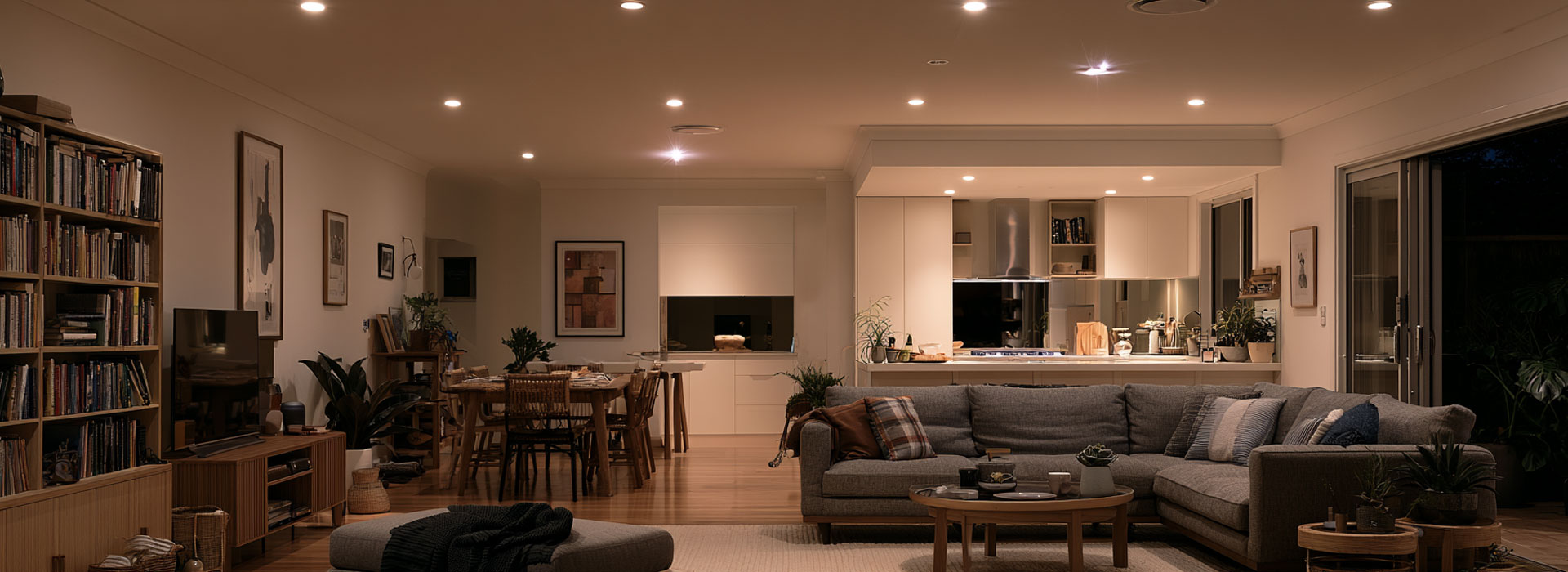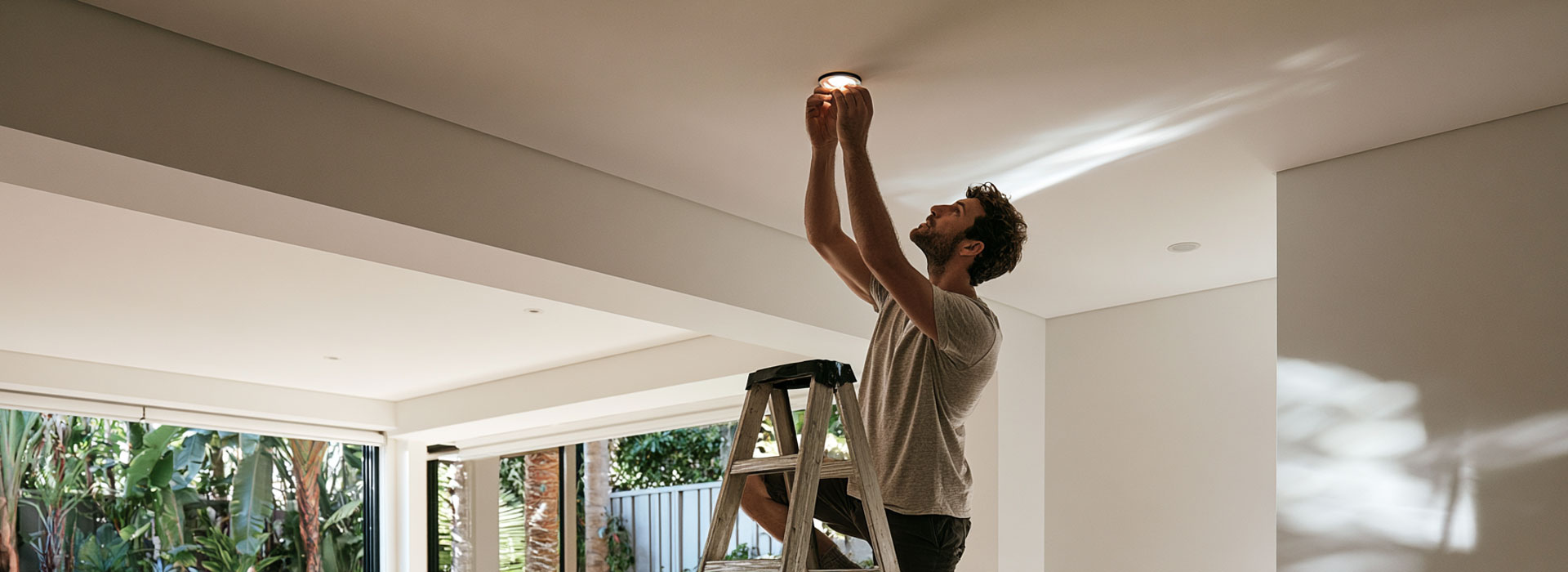
Your switchboard is easy to ignore when everything appears to be working. But as a home ages, is renovated and takes on more appliances, air conditioning, induction cooking, solar or EV charging, the demands placed on its electrical system can change significantly. An older switchboard is not automatically unsafe, but there are several signs that make a professional assessment worthwhile.
What does a switchboard actually do?
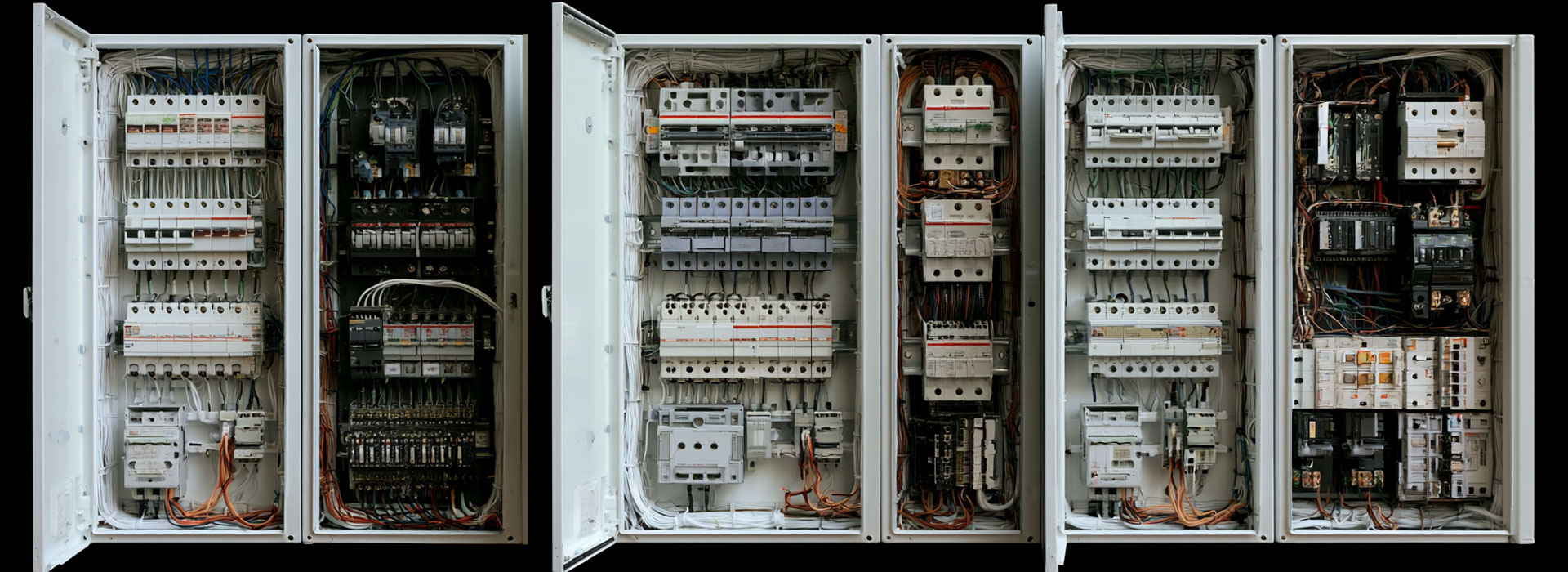
The switchboard is the point where electricity is distributed to the different circuits in your home. It also contains protective devices designed to respond when something goes wrong. Depending on the age of the installation, you may see older fuses, circuit breakers, safety switches or a combination of devices added over time.
A circuit breaker and a safety switch do different jobs. Circuit breakers mainly protect wiring and circuits from overloads and short circuits, while safety switches, also known as RCDs, are designed to reduce the risk of serious electric shock by cutting the power when leakage current is detected.
Because electrical installations evolve, the appearance of a switchboard alone does not always tell the full story. A licensed electrician can assess the board, its protective devices and whether it remains suitable for the way the home is now used.
Signs your switchboard may need attention
One of the clearest reasons to have a switchboard assessed is age. Many Sydney homes have been renovated in stages, sometimes over several decades. A terrace, semi or freestanding house may have an older electrical installation alongside newer kitchen circuits, air conditioning, lighting or an extension.
An older fuse box with ceramic rewireable fuses is an obvious sign that the electrical system is from an earlier era. Even if it still operates, it is worth having a licensed electrician assess whether the board and its protection are appropriate for the home today.
You should also arrange an assessment if breakers or safety switches trip repeatedly, if there are buzzing sounds or signs of heat around the switchboard, if circuits are poorly labelled, or if the board looks crowded with additions made over many years. Repeated tripping can indicate a problem elsewhere in the electrical system, so the cause should be investigated rather than simply resetting the device over and over. See Electrical Repairs if you are experiencing recurring faults or unexplained power problems.
If you notice burning smells, scorching, melted components or anything that suggests overheating, contact a licensed electrician promptly.
A switchboard does not need to look obviously damaged before it deserves attention. Age, limited safety-switch protection, repeated additions or plans for new high-demand equipment can all justify an assessment.
Safety switches are an important part of the picture
For Sydney homeowners, one of the most useful checks is whether the home has appropriate safety-switch protection. NSW Government guidance says properties built during or after 2000 will usually have safety switches installed, while owners of properties built before 2000 are strongly encouraged to ask a licensed electrician to check.
The number of safety switches also matters. A single safety switch may not protect every circuit in the home. If you are unsure what is installed, a licensed electrician can check which circuits are protected and whether further work is recommended. You can also read more about Safety Switches and how they differ from ordinary circuit breakers.
Renovations often reveal the limitations of an older board
A renovation is a common point at which homeowners discover that the existing switchboard needs work. A new kitchen may add an induction cooktop, oven or extra appliance circuits. A bathroom renovation may involve new lighting, ventilation or heating. An extension can add several new circuits at once.
The question is not simply whether there is an empty space for another breaker. The electrician needs to consider the existing installation, available capacity, protective devices and the requirements of the new work. Assessing the switchboard early can help identify work that should be included in the renovation rather than discovering it once the project is under way.
What about EV chargers, solar and other major upgrades?
Modern homes are adding electrical loads that may not have been anticipated when an older switchboard was installed. NSW Government guidance on switchboard upgrades identifies additions such as EV chargers, induction cooktops, solar and batteries as situations where the existing switchboard and capacity may need to be reviewed.
That does not mean every EV charger or major appliance automatically requires a complete switchboard replacement. It means the existing installation should be checked to confirm that it can support the proposed work and that the required protection can be provided.
If you are considering an EV Charger Installation, it makes sense to have the switchboard assessed as part of the quotation rather than treating the charger and the home's electrical supply as separate issues.
Planning a renovation, induction cooktop, solar system, battery or EV charger? Have the existing switchboard checked early so any necessary electrical work can be allowed for before installation begins.
Does an old switchboard always need replacing?
No. Age is an important clue, but it is not the only factor. The condition of the board, the protective devices installed, previous upgrades, the wiring it connects to and the home's current and future electrical needs all matter.
Some homes may need targeted improvements rather than a complete replacement. Others may have a board with outdated equipment, limited protection or years of piecemeal modifications, making a more substantial Switchboard Upgrade the sensible option.
A good assessment should explain what has been found and why any work is being recommended. As a homeowner, you should understand whether the concern relates to safety, capacity, the requirements of planned electrical work, reliability, or a combination of these factors.
What should an electrician check?
Depending on the situation, a licensed electrician may consider the age and condition of the equipment, circuit protection, safety switches, signs of deterioration, circuit identification, available space and capacity, and how the existing board relates to any work you are planning.
This can be particularly useful in older or heavily renovated Sydney properties where electrical work may have been completed at different stages. The aim is to understand the installation that is actually there today, rather than making assumptions based only on the age of the building.
When should you organise an assessment?
If your home still has an old fuse box, was built before 2000 and you are unsure about safety switches, has recurring tripping or switchboard issues, has been extensively renovated, or is about to receive a significant new electrical load, arranging an assessment is sensible.
You can also ask for the switchboard to be checked when an electrician is already attending for repairs or renovation work. It can be a practical opportunity to understand its condition and whether an upgrade should be considered now or planned for the future.
A clearer picture before you make changes
The purpose of a switchboard assessment is not to assume that an upgrade is required. It is to understand whether the existing board still provides suitable protection and capacity for your home.
i-ELEC works across a wide range of Sydney homes, from older terraces and semis to apartments and renovated freestanding properties. If you are unsure about an older switchboard or are planning work that will place new demands on your electrical system, the team can inspect the installation, explain what they find and recommend the next step if work is needed.